Introduction
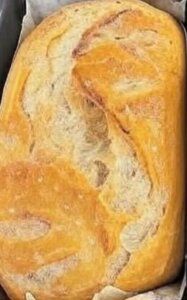
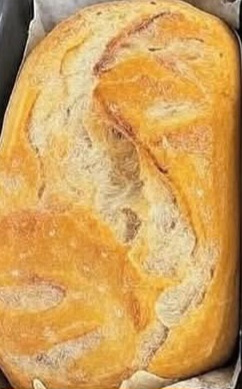
Unloaf Sourdough Bread is a rustic, artisanal bread made with natural wild yeast fermentation, giving it a tangy depth of flavor, a crackling crust, and a soft, airy crumb. Unlike mass-produced loaves, sourdough is crafted slowly, using time and technique to develop complex flavors and textures. Its natural fermentation not only enhances taste but also improves digestibility, making it a beloved choice for bread enthusiasts worldwide.
—
Origin
Sourdough is one of the oldest forms of leavened bread, with origins tracing back over 5,000 years to ancient Egypt. Before commercial yeast was discovered in the 19th century, natural fermentation using wild yeast and lactic acid bacteria was the only way to make bread rise. Today, sourdough is celebrated globally as a return to traditional, hands-on baking practices that highlight patience, craftsmanship, and natural simplicity.
—
Cultural Significance
Sourdough holds deep cultural meaning across civilizations. In Europe, it was a staple before industrialized baking, with each region developing unique methods and flavors. In the U.S., it became iconic during the California Gold Rush, particularly in San Francisco, where its distinctive tang became world-famous. Today, sourdough represents a resurgence of artisanal baking, mindfulness, and a reconnection to heritage foodways in modern kitchens.
—
Ingredients (with Quantity)
500g bread flour (or a mix of bread flour and whole wheat flour)
350g water (room temperature)
100g active sourdough starter (fed and bubbly)
10g salt
—
Optional Additions
Seeds (sunflower, sesame, flax) for crunch.
Nuts (walnuts, pecans) for richness.
Dried fruits (cranberries, raisins, figs) for sweetness.
Herbs (rosemary, thyme) for aromatic depth.
Olives or roasted garlic for Mediterranean flair.
—
Tips for Success
Use a mature, active starter—it should double in size within 4–6 hours of feeding.
Allow plenty of time for bulk fermentation; patience is key.
Keep dough slightly sticky; avoid adding too much flour.
Bake in a preheated Dutch oven to trap steam and create a crisp crust.
Score the dough with a sharp blade for expansion and a rustic look.
—
Instructions
1. Mix dough: In a large bowl, combine flour and water. Mix until shaggy. Let rest 30 minutes (autolyse).
2. Add starter and salt: Incorporate sourdough starter and salt. Mix until well combined.
3. Bulk fermentation: Cover and let rise at room temperature for 4–6 hours, stretching and folding the dough every 30–45 minutes during the first 2 hours.
4. Shape: Transfer dough onto a lightly floured surface. Shape into a round or oval loaf.
5. Final proof: Place dough seam-side up in a floured banneton or bowl. Cover and refrigerate overnight (8–12 hours).
6. Preheat oven: Place a Dutch oven inside and heat to 475°F (245°C).
7. Bake: Score dough, place into hot Dutch oven, cover, and bake 20 minutes. Remove lid and bake another 20–25 minutes until deep golden brown.
8. Cool: Allow bread to cool on a rack for at least 1 hour before slicing.
—
Description
The finished bread is rustic and crusty, with a caramelized golden exterior that cracks under pressure. Inside, the crumb is soft, chewy, and slightly tangy, showcasing the wild yeast’s complexity. Each slice carries earthy notes, balanced acidity, and the unmistakable aroma of naturally fermented sourdough.
—
Nutritional Information (per slice, approx. 16 slices)
Calories: ~120
Protein: 4g
Carbohydrates: 24g
Fat: 0.5g
Fiber: 1g
Sodium: 150mg
(Values vary based on flour mix and optional add-ins.)
—
Conclusion
Unloaf Sourdough Bread is more than bread—it’s a craft, a ritual, and a celebration of tradition. Rustic and naturally fermented, it captures the timeless beauty of simplicity in food. Whether enjoyed plain, toasted, or paired with hearty meals, it delivers both nourishment and pleasure.
—
Recommendation
Serve with butter and honey for breakfast, pair with soups and stews for lunch, or use as a base for gourmet sandwiches. Its tangy complexity also complements cheeses, charcuterie, and roasted vegetables beautifully.
—
Embracing Healthful Indulgence
Sourdough is naturally more digestible than many breads due to its fermentation, which reduces gluten and enhances nutrient absorption. For an even healthier loaf, substitute part of the flour with whole wheat, rye, or spelt, and enrich it with seeds or nuts for added fiber and omega-3s. This way, you can fully indulge in artisanal bread while embracing its nutritional benefits.